
What solar panel systems cost in Perth and what changes the price
By Clara Tan · Updated 2026-06-08
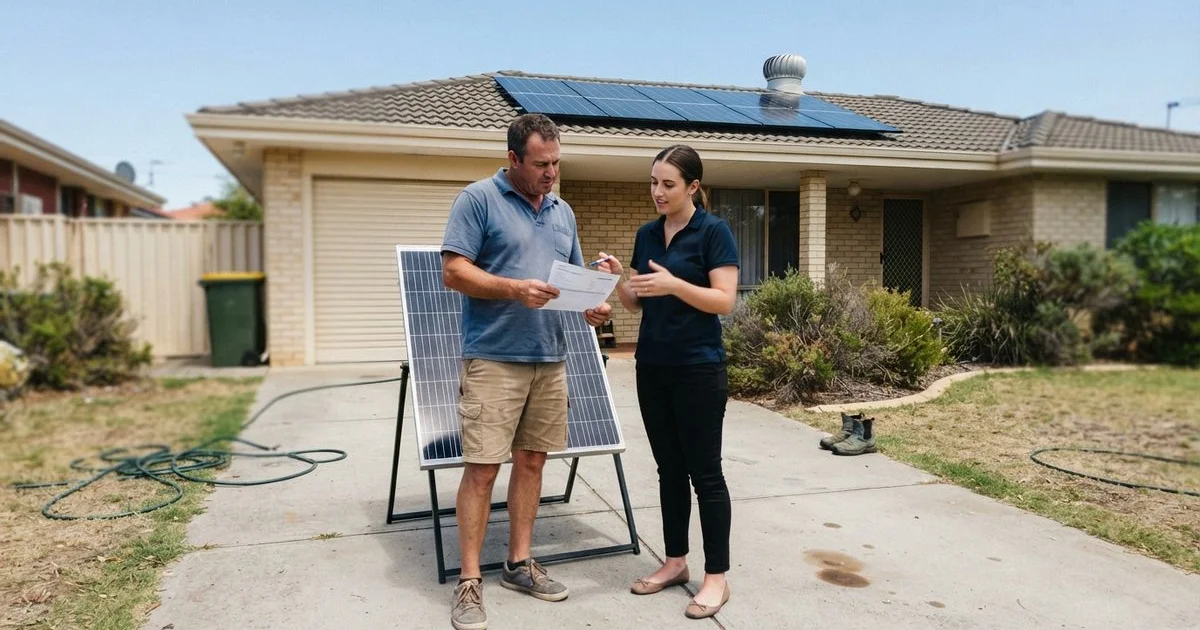
Ask five solar suppliers in Perth for a quote on the same roof and you’ll likely get five different numbers. Some of that spread is normal, driven by genuine differences in equipment and installation approach. Some of it isn’t, and comes down to cutting corners that only show up later. Here’s what actually moves the price.
Typical price ranges by tier
These ranges are for a standard-sized residential system around 6.6kW, installed and after the upfront Small-scale Technology Certificate discount is applied.
| Panel and inverter tier | Typical installed price range |
|---|---|
| Budget (entry-level panels) | roughly $4,400–$5,750 |
| Standard (Tier 1 panels) | roughly $5,200–$6,800 |
| Premium (high-efficiency panels) | roughly $6,800–$8,900 |
| Standard tier plus a battery | roughly $9,700–$12,650 |
Larger or smaller systems scale roughly in proportion to size, though not perfectly, since some costs (scaffolding, switchboard work, the inverter itself) don’t change much whether you’re installing 5kW or 10kW.
What changes the price
Panel and inverter tier. Budget panels use less efficient cells and shorter warranties. Tier 1 panels come from manufacturers with a track record of bank financing and consistent output. Premium panels squeeze more output from the same roof space, which matters most on smaller or partly shaded roofs.
Roof type and access. Two-storey homes, tile roofs needing extra flashing, and roofs with steep pitches all add labour time. A single-storey home with a simple metal roof is the fastest and cheapest to work with.
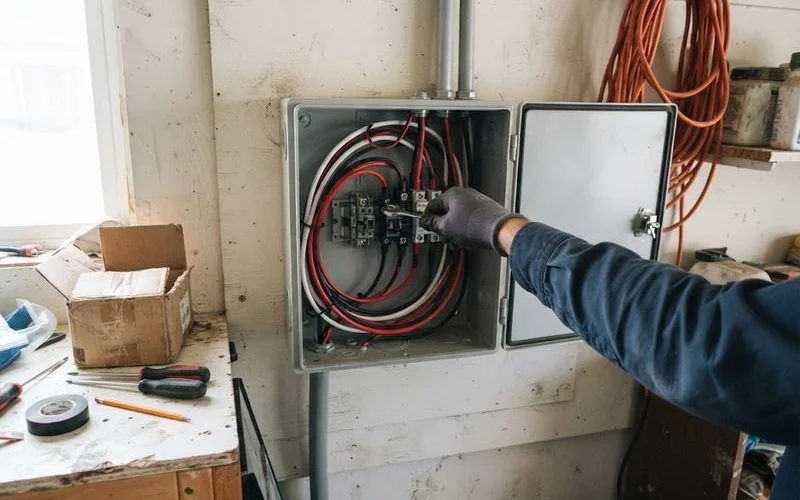
Switchboard condition. Older switchboards sometimes need an upgrade to safely take a new solar connection. This isn’t always obvious from a phone quote and can appear as an add-on once an installer actually inspects the site.
Battery inclusion. A battery is the single biggest line item you can add. It’s worth reading it as a separate decision from the panel install itself, since the payback timeline for a battery depends on your evening electricity use, not just your daytime solar generation.
Ongoing costs beyond the install
The upfront price is the headline number, but a system also has small ongoing costs worth budgeting for. Panels generally need an occasional clean if they’re accumulating dust or bird droppings, and most systems benefit from a periodic professional check every couple of years to catch a developing fault before it becomes a bigger repair. Inverters, in particular, have a shorter working life than panels and are the component most likely to need replacing partway through a system’s overall lifespan, so it’s reasonable to budget for that eventually rather than assuming zero costs after the initial install.
How to compare quotes properly
Line up quotes side by side on: system size in kW, panel brand and tier, inverter brand and size, whether a battery is included, and the price after the STC discount is deducted. A cheaper total with a smaller inverter relative to the panel array, known as an undersized inverter, can cause inverter clipping on sunny days and quietly cost you generation over the system’s life.
It also pays to check who is doing the physical install. Competitive pricing shows up consistently as one of the things customers value most, but pricing alone doesn’t tell you about installation quality or how the company handles a fault two years down the track. The step-by-step installation guide covers what a proper install day looks like, so you know what to expect once you’ve picked a supplier.
Financing and payment timing
Most suppliers offer a deposit-on-order, balance-on-completion structure, and many partner with third-party lenders for interest-bearing or interest-free finance over a fixed term. If a supplier asks for the full amount upfront before any work has started, treat that as a reason to ask more questions rather than a normal industry practice.
If you’re comparing a finance offer against paying upfront, work out the total cost including interest over the full term, not just the advertised monthly figure. An interest-free period that reverts to a high rate after a set number of months can end up costing more than a modest interest-bearing loan with a consistent rate, so read the terms rather than the headline offer.
For the full picture on how STCs are calculated and how the rebate interacts with the price you’re quoted, check the fine print with your supplier directly, or start by getting a rough size and cost estimate on the homepage tools before you request quotes. Our methodology explains how we score installers on pricing transparency.
Questions people ask
- How much does a 6.6kW solar system cost in Perth?
- A standard Tier 1 panel system around 6.6kW typically installs for roughly $5,200 to $6,800 after the upfront STC discount, depending on your roof and the installer's pricing.
- Why do quotes for the same system size vary so much?
- Panel and inverter quality tier, roof complexity, switchboard upgrades, and whether a battery is included all move the price. Two quotes for the same kW figure can use very different equipment.
- Does adding a battery double the cost?
- It adds a substantial amount, often close to doubling a standard system's price, but the exact jump depends on the battery's usable capacity and brand.
- Is the cheapest quote usually the best value?
- Not always. A lower price can mean a lower panel tier, a smaller inverter relative to the panel array, or a supplier cutting into install labour time. Compare like-for-like specifications, not just the total.