
What to expect from a solar panel installation in Perth, step by step
By Clara Tan · Updated 2026-06-01
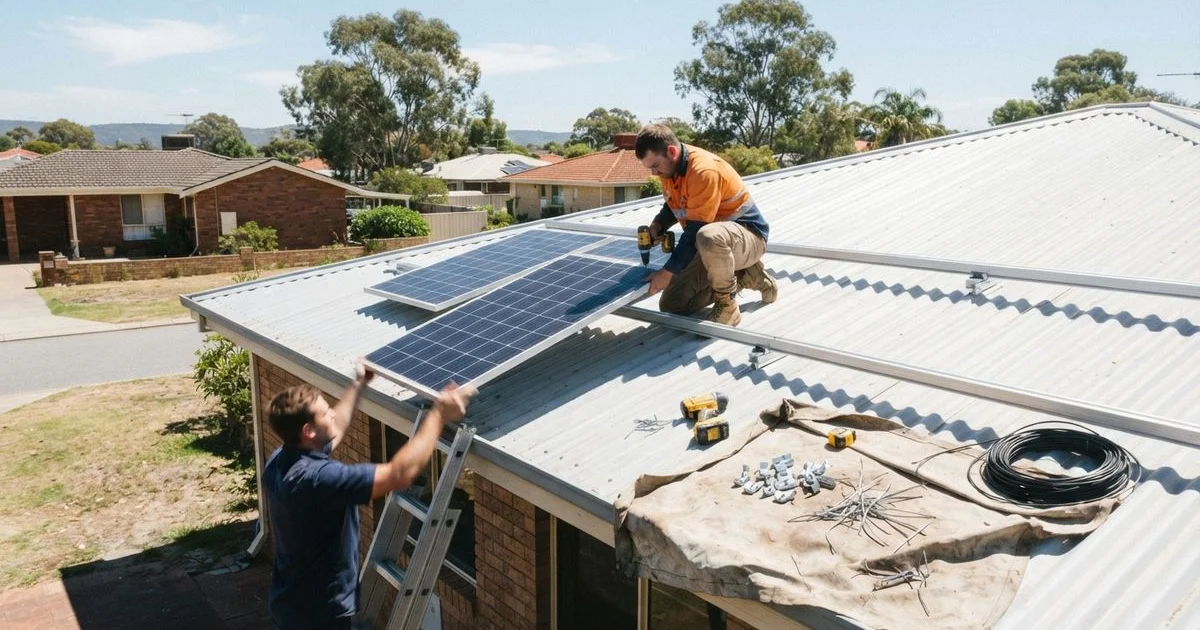
Getting solar installed is more of a process than a single event. Between the first phone call and the day your panels start generating power, there’s a site check, a formal quote, paperwork with your network operator, and then the physical install itself. Knowing what happens at each stage makes it easier to compare quotes from residential solar installers in Perth and spot which ones are cutting corners.
Before installation day
A proper quote starts with a look at your electricity bills and roof. Some installers do this over satellite imagery and a phone call; others send someone out in person, which tends to produce a more accurate design, especially on older roofs or homes with tricky shading from trees or neighbouring buildings.
Once you accept a quote, the installer lodges an application with your electricity distributor (Western Power for most of the Perth metro area) to connect the system to the grid. This can take anywhere from a few days to a few weeks depending on your street’s existing network capacity. It’s worth asking upfront whether your area has any known export limits, since that can affect how the system is sized.
Quoted prices for what looks like the same size system can vary widely between installers. The solar panel system cost guide breaks down what typically drives that gap, from panel tier to switchboard work.
Installation day, step by step
| Stage | What happens | Rough duration |
|---|---|---|
| Setup and safety checks | Installer arrives, sets up scaffolding or roof anchors, briefs the crew | 30–60 minutes |
| Mounting | Racking is fixed to the roof structure, panels are laid out | 2–4 hours |
| Wiring and inverter | DC cabling run from panels to inverter, inverter mounted near switchboard | 2–3 hours |
| Switchboard connection | Power isolated briefly, system tied into the switchboard and a dedicated safety switch fitted | 1–2 hours |
| Testing and handover | System powered up, output checked, monitoring app set up, paperwork signed | 30–60 minutes |
A standard residential system usually wraps up within a single day. Commercial and larger rooftop jobs are different, with staged installs that can run over several days depending on the size of the array.
Getting your property ready beforehand
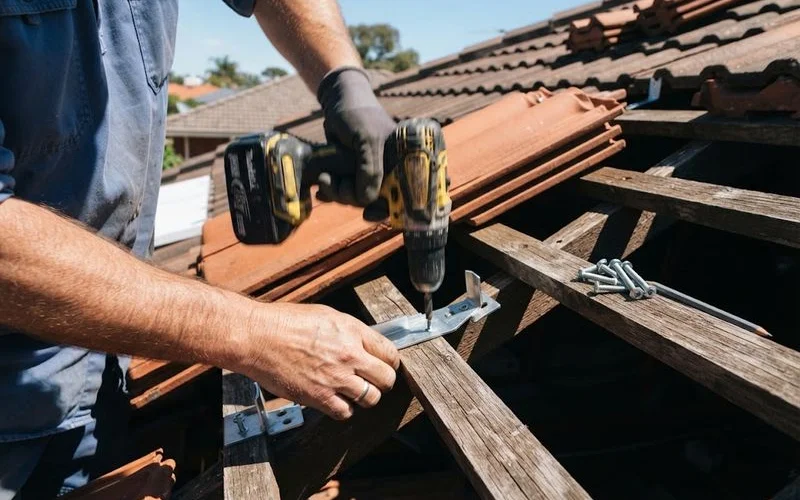
There are a few things worth sorting out before the crew arrives. Clear vehicle access to your driveway or the closest point to your roof, since installers usually need to bring scaffolding, a ladder or a small hoist depending on the job. If you have pets, plan to keep them away from the work area for the day, both for their safety and so the crew can move around freely. It also helps to mention any known roof issues upfront, loose tiles, an old antenna you want removed, or a section of guttering that needs care, rather than letting the crew discover it mid-install.
Perth’s climate plays a role in scheduling too. Summer installs are usually straightforward weather-wise but crews often start early to avoid working on a hot roof through the middle of the day. Winter brings more chance of a rain delay, so it’s worth building a little flexibility into your own plans around the booked date rather than assuming it will go ahead no matter what.
What a rushed installer might skip
Not every installer follows the full sequence carefully. Warning signs on the day itself include skipping the safety briefing, not testing the system properly before leaving, or being vague when you ask what the monitoring app is actually showing. A crew that takes the time to explain what they’re doing and walks you through the finished system is generally a better sign than one that’s purely focused on getting off the roof quickly.
After the system is switched on
The installer’s job isn’t quite finished once the panels are up. They still need to submit compliance paperwork to claim Small-scale Technology Certificates on your behalf (this is usually deducted from your invoice upfront rather than paid separately), and your distributor needs to approve the final grid connection before you’re fully exporting. Some homes get provisional approval and can use the system straight away; others wait on a formal meter or network sign-off.
Ask your installer to walk you through the monitoring app before they leave. It’s the easiest way to confirm the system is producing what was promised and to catch a fault early rather than months later.
How long the whole process takes
From first quote to a fully approved, exporting system, four to eight weeks is typical in the Perth metro area. Delays usually come from network approval queues or from waiting on specific equipment, rather than the physical install itself, which is normally the fastest part.
If you’re weighing up providers, our methodology explains how we score installers on reliability and communication, both of which matter more during this multi-week process than most buyers expect going in. You can browse the full list of installers and suppliers on the Perth Solar Industry Guide homepage.
Questions people ask
- How long does a solar installation take on the day?
- Most residential jobs are done in a single day, though larger systems or homes with awkward roof access can run into a second day for wiring and testing.
- Do I need to be home during the installation?
- Someone should be available at the start and end of the day to give access and walk through the system, but you don't need to watch the whole process.
- Will my power be off during the install?
- Yes, briefly. Installers isolate the switchboard while connecting the inverter, usually for an hour or two, then restore power before final testing.
- What happens if it rains on installation day?
- Panel mounting and wiring are usually rescheduled in heavy rain for safety reasons. Most installers will call ahead if the forecast looks unworkable.