
Signs your solar system has a fault, and when it is a safety risk
By Clara Tan · Updated 2026-07-06
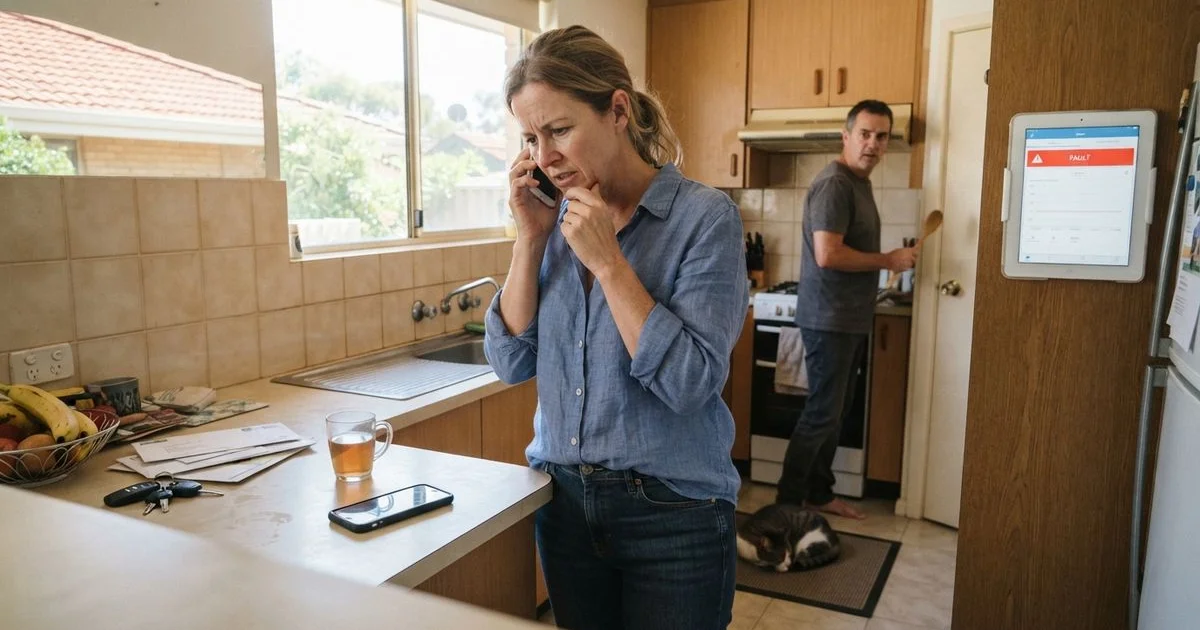
This is general safety information, not professional electrical advice. If you suspect an electrical fault or safety issue, stop using the affected part of the system and contact a licensed professional promptly.
A solar system that’s working properly is easy to forget about, which is exactly why it’s worth knowing what the early warning signs of a problem actually look like. Some issues are cosmetic and can wait. Others point to something that needs attention sooner rather than later.
Signs that can usually wait for a routine check
- A gradual, small decline in output over months, which often points to dust, pollen or general panel soiling rather than a fault.
- A single panel producing noticeably less than the others on a system without microinverters or optimisers, which can indicate one underperforming panel rather than a system-wide issue.
- Minor cosmetic marks or discolouration on a panel surface that hasn’t changed the system’s output.
Signs worth investigating sooner
- A sudden, sharp drop in output that isn’t explained by weather or cloud cover.
- Recurring fault codes or error messages in your monitoring app, even if the system still seems to be producing power.
- A noticeable change in your electricity bill that doesn’t line up with your usage or the season.
Signs that mean stopping and calling someone immediately
| Sign | Why it’s urgent |
|---|---|
| Burning smell near the inverter or switchboard | Possible overheating or electrical fault |
| Visible scorch marks, melted casing, or exposed wiring | Fire and shock risk |
| Inverter making unusual buzzing or clicking noises | Could indicate an internal fault |
| Physical damage to panels after a storm | Damaged panels can carry electrical risk even when not visibly connected |
If you see any of these, treat it as urgent: isolate the system if it’s safe to do so, and contact a licensed electrician or your installer rather than waiting for a routine appointment slot. If your system includes a battery, the same urgency applies there too, our guide to solar battery safety covers the warning signs specific to battery chemistry and fire risk.
Keeping a simple baseline
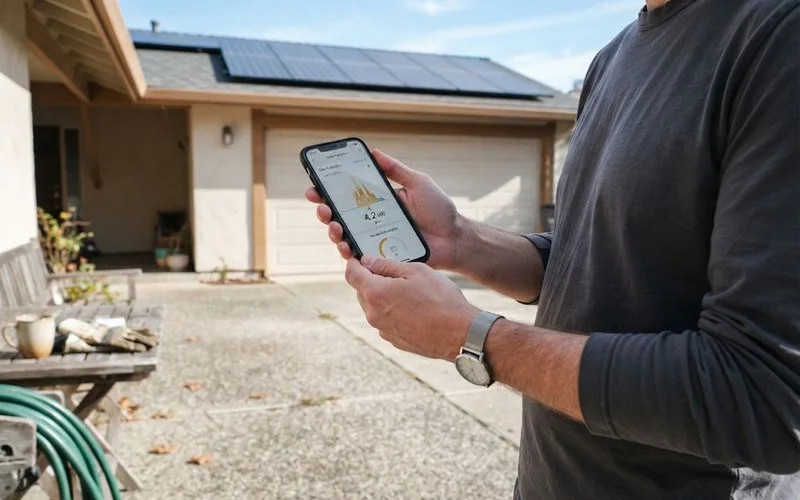
The easiest way to notice a genuine problem is to know what normal looks like for your own system first. Check your monitoring app on a handful of clear, sunny days across different seasons and get a rough sense of typical output. With that baseline in mind, a drop that isn’t explained by cloud cover, dust buildup, or shorter winter daylight hours becomes far more obvious, rather than something you only half-notice months after it started.
After storms and severe weather
Perth’s storm season is worth building into your own check routine, separate from any scheduled maintenance visit. After a significant storm, particularly one with hail or strong wind, it’s worth a visual check for cracked glass, dislodged panels, or damaged mounting, even if the system still appears to be producing power normally. Some damage doesn’t immediately affect output but can develop into a bigger issue, or a safety concern, if left unaddressed.
Why misdiagnosis happens
One of the more common frustrations reported with solar system servicing isn’t the fault itself, it’s a fault being misread or a repair not fully resolving the underlying issue, leaving the system underperforming again soon after. Asking a service provider to explain exactly what they found and what they did to fix it, in writing, makes it easier to hold a follow-up visit accountable if the problem returns.
Getting it checked properly
A genuine fault check involves inspecting the physical system, not just reading the monitoring app remotely. If your system is under warranty, check whether the fault needs to be assessed by an accredited provider to keep that warranty valid before you call just anyone.
When you book a fault callout, describe exactly what you’ve noticed, including when it started and any error codes shown, rather than a general “it seems slower than usual.” A specific description helps the technician arrive with the right diagnostic approach and reduces the chance of a fault being written off as normal wear when it isn’t. You can compare solar servicing providers in Perth and see how we weigh responsiveness and follow-through in our methodology. Rankings and full provider lists are available from the homepage.
Questions people ask
- How do I know if my solar system is underperforming?
- Compare your system's output on similar sunny days across different times of year using your monitoring app. A sudden or gradual drop compared to your own system's history is more reliable than comparing to a neighbour's different system.
- Does a red light on my inverter always mean an emergency?
- Not always, but it does mean something needs checking. Consult your inverter's manual or app for what the specific light or code means before deciding how urgent it is.
- Can I check for solar faults myself?
- You can safely check your monitoring app and note down any error codes or performance drops. Physical inspection of panels, wiring or the switchboard should be left to a qualified person.
- How often should a working system be checked even without an obvious fault?
- Many suppliers recommend a periodic check every couple of years, sometimes more often for systems in dusty or coastal areas, even if nothing seems wrong day to day.